WILD RANCH
AI-Enabled Human–Carnivore Coexistence for Working Lands
Wild Ranch began with a simple idea: monitor prey behavior to detect predators. By combining biometric livestock tags, asset tracking, AI camera traps, and automated non-lethal deterrents, Wild Ranch helps ranchers and partner agencies reduce conflict with predators—before losses occur.
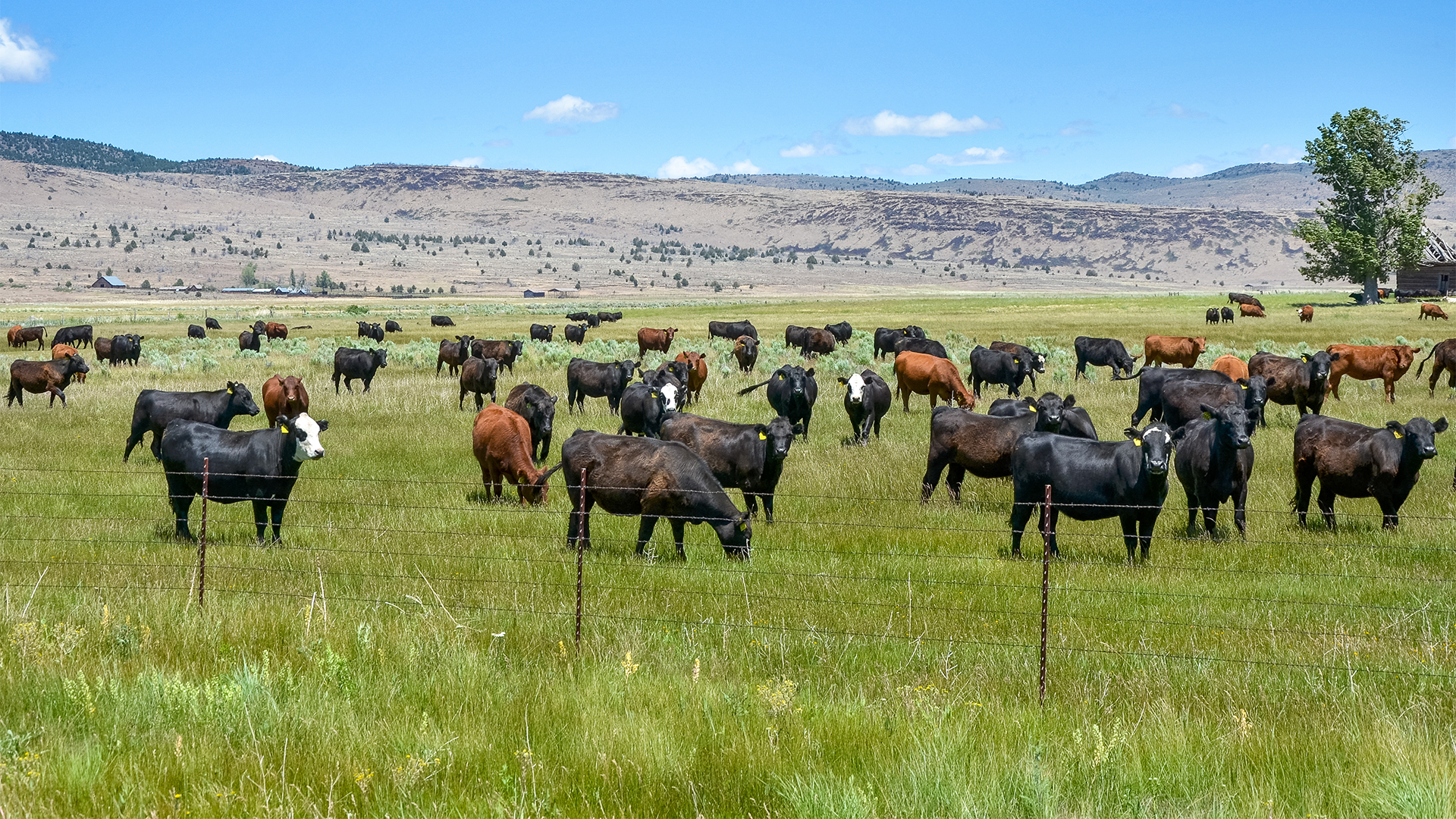
Working with Wildlife Protection Solutions, EarthRanger, and ranchers in Colorado, Wild Ranch monitors cattle behavior in areas with active pressure from wolves, coyotes, bears, and mountain lions. The program uses real-time alerts, AI-driven detection, and integrated response workflows to support human–wildlife coexistence while reducing the need for constant manual intervention—or lethal management.
What is the Wild Ranch Program?
Wild Ranch is a field-tested, integrated conflict mitigation program built around two connected systems:
Tracking and Biometric Livestock Tags
Smart tags monitor cattle location and behavior (including accelerometry signals) to flag abnormal activity—such as a herd running at night—so ranchers can respond quickly with situational awareness and coordinates.AI Camera Traps and Auto-Deterrents
AI camera traps monitor high-risk areas near herds. When AI identifies a likely predator with high confidence, the system can automatically deploy layered deterrents—helping prevent depredation events and reduce repeat approaches.
All of this is coordinated through an incident-aware, command-and-control approach that logs alerts, detections, and deterrent deployments—supporting continuous improvement and smarter field strategy over time.
Why AI-enabled intelligence matters
Predator–livestock conflict is a fast-moving, high-stakes problem. The difference between prevention and loss is often minutes, not days.
Wild Ranch applies AI and automation to solve the biggest challenges of coexistence technology:
Earlier warning from livestock behavior: AI-informed activity signals (accelerometry, clustering, time-of-day filters, geofencing) can surface risk before producers would otherwise notice it.
Faster, more reliable predator confirmation: Computer vision helps identify likely predators from camera imagery, reducing guesswork and enabling targeted response.
Reduced false alarms: Filters and multi-tag logic cut down on noise so producers can trust alerts and act decisively.
Anti-habituation design: Randomized and configurable deterrent outputs help keep predators from learning predictable patterns—maintaining effectiveness across repeat encounters.
This is built for real-world coexistence needs and search intents such as AI wolf detection, livestock biometric monitoring, non-lethal predator deterrents, computer vision camera traps, and real-time satellite alerts for ranchers.
What Wild Ranch helps teams do
Wild Ranch is designed to help producers and partners respond faster, coordinate better, and prevent conflict more consistently. The program helps teams:
Receive real-time alerts when cattle behavior indicates risk (including night running and other high-activity events)
Use multi-tag “high activity” alerts to detect herd-level events, while still supporting individual-animal alerts
Trigger and filter alerts by time of day, geofence breaches, and other logic to reduce false call-outs
Get alert GPS coordinates that can be shared with range riders and agencies for rapid response
Detect “bunch up” events when multiple tagged animals cluster abnormally—often associated with predator pressure (with seasonal considerations)
Identify predators (wolves, coyotes, bears, mountain lions) via AI camera traps trained for high-confidence classification
Automatically deploy non-lethal deterrents when a predator is detected, including configurable combinations such as:
custom sound tracks and speakers (wired or wireless)
strobe lights
sparking devices
scent dispensers (including human scent)
ultrasonic emitters
other deterrent stimuli as appropriate for the site
Log incidents and responses to support pattern analysis, adaptation, and smarter deployments over time
Reduce the need for constant night-time monitoring, manual chasing, or reactive escalation—supporting coexistence outcomes
KEY capabilities
AI-enabled analysis and decision support
Wild Ranch combines multiple AI-driven signals to improve early detection and response quality:
Accelerometry-based behavior analytics from livestock tags to detect suspicious activity patterns
Multi-tag correlation (herd running, abnormal clustering) to identify high-confidence risk events
Computer vision predator detection using AI camera trap imagery and confidence scoring
Decision logic and automation that can trigger deterrents only when thresholds are met
A growing integration pathway for smart tags and sensor events to interact directly with deterrent workflows and incident logging
Operational intelligence that supports real-world workflows
Wild Ranch is built for working landscapes—remote areas, limited staffing, and the need for fast, practical action:
Satellite-to-phone alerting for producers, with actionable coordinates
Configurable alert rules (time-of-day, geofences, thresholds) to reduce noise and increase trust
Deterrent systems designed for field durability, including solar-powered control and distributed devices
Flexible deterrent placement with small wireless scare devices that can be moved away from the main control box (up to approximately 800 yards, with repeaters extending range)
Back-end incident tracking so teams can review “what happened, where, when, and how” and adapt quickly
Stronger coordination across teams and partners
Conflict mitigation succeeds when everyone shares the same picture. Wild Ranch supports coordination through integrated workflows across producers, responders, and agencies:
Alerts and event coordinates can be routed to range riders and local partners quickly
Predator and livestock signals can be combined with broader situational layers (including agency data sources and collar datasets where available)
Permission-based collaboration models support shared response while respecting producer privacy and data ownership
Images and incident logs help align stakeholders on verified events rather than rumors or delayed reports
Prevention-first conservation outcomes
Wild Ranch is designed to reduce conflict proactively—before it escalates:
Non-lethal deterrence to discourage repeat approaches and reduce depredation risk
Anti-habituation strategy by varying outputs, timers, device combinations, and even deterrent placement
Reduced pressure toward lethal management by improving prevention reliability
A feedback loop of detection → response → logging → adaptation, enabling continuous improvement across a season
Who the Wild Ranch Program is for
Wild Ranch is built for coexistence efforts on working lands and in predator recovery regions, including:
Ranchers and livestock producers operating in wolf/carnivore range
Range rider programs and coexistence field teams
Local and state wildlife agencies coordinating conflict response
Conservation organizations supporting non-lethal coexistence strategies
Researchers and technical partners developing behavior analytics, deterrent methods, and integrated field systems
Results that matter: fewer losses, smarter response, stronger coexistence
Wild Ranch is designed to produce measurable improvements in coexistence operations, including:
Faster, more actionable alerts to enable earlier intervention
Fewer “ghost” responses by filtering false alarms and improving verification
More effective deterrence through randomized, adaptable outputs that reduce habituation risk
Better documentation and learning across a season through incident logging and review
A scalable approach that can be adapted to new landscapes, predator species, and partner needs
Wild Ranch is not a silver bullet—but it is a practical, integrated system built to add new capabilities in places where producers and agencies often feel they’ve “tried everything.”
Get started with the Wild Ranch Program
Wild Ranch welcomes collaboration with producers, agencies, and innovators developing effective livestock–predator management tools. If you have related technologies—anywhere in the world—and want to explore integration into a field-tested coexistence stack, we’d like to connect.